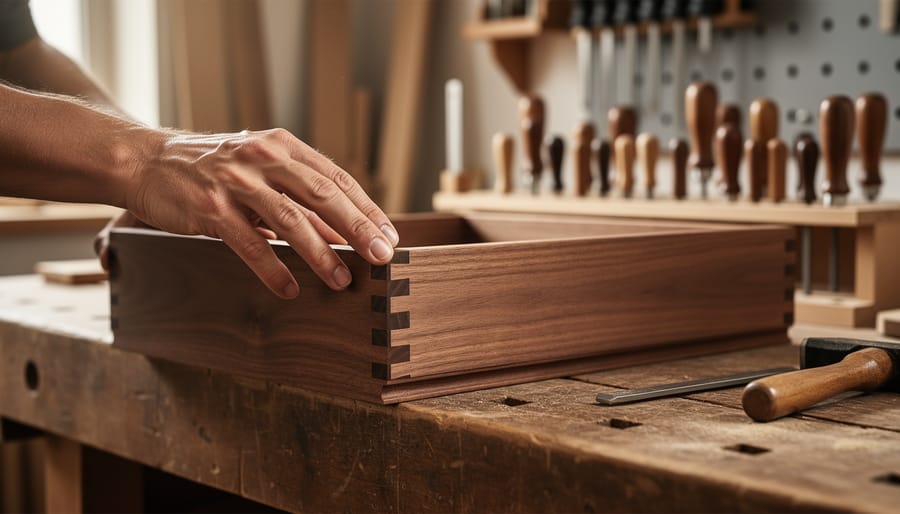
Phil O’Connor Ford: The Cabinet Maker Who Transformed Into a Commercial Icon
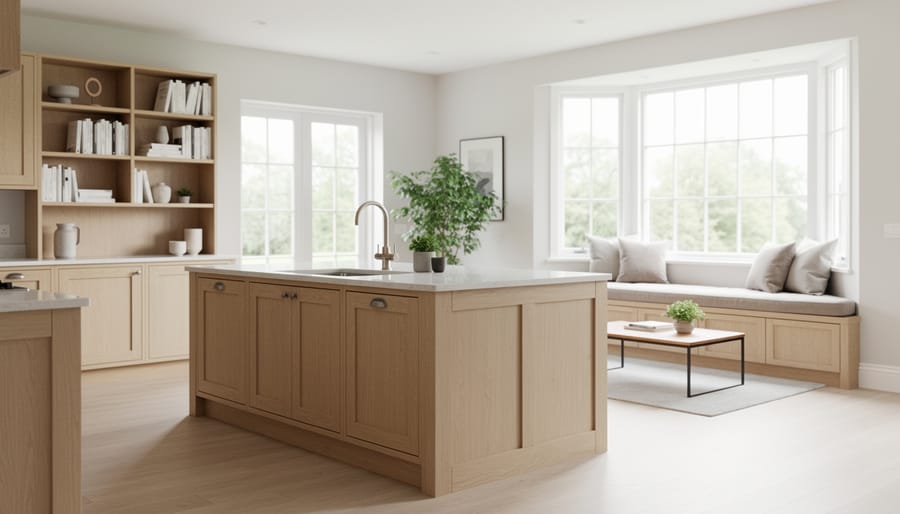
When Liam O’Connor transformed his custom furniture workshop into a commercially viable business, he didn’t compromise on craftsmanship. He borrowed a page from Henry Ford’s playbook. The comparison isn’t about mass production or assembly lines. It’s about making exceptional quality accessible through smart, repeatable processes that preserve the soul of handcrafted work while building a sustainable business.
O’Connor’s approach challenges the false choice many furniture makers face: either create one-of-a-kind pieces that take weeks to complete, or sacrifice quality for volume. His furniture-making philosophy proves you can design beautiful, well-constructed pieces that don’t require starting from scratch every time. Think of it as creating a signature collection rather than bespoke commissions. Each piece maintains high standards, but the production process becomes efficient enough to reach more customers at prices they can actually afford.
This shift requires rethinking everything from design to workshop organization. O’Connor developed modular design elements that allow for customization within a framework. He standardized certain joinery techniques and built jigs that ensure consistency without robotic repetition. The result? Furniture that still bears the marks of skilled hands but doesn’t carry the astronomical price tag of fully custom work.
The lessons from his journey matter whether you’re selling your first dining table or looking to transition from weekend projects to full-time furniture making. He’s shown that commercial success doesn’t mean abandoning the craft traditions that drew you to woodworking in the first place. It means being strategic about where you invest your time and creative energy, building systems that support quality rather than undermine it, and recognizing that accessibility can coexist with excellence.
The ‘Ford’ Philosophy: Making Quality Furniture Accessible
When Henry Ford revolutionized automobile manufacturing, he didn’t cheapen the product. He made a good car available to more people by rethinking how it was built. Liam O’Connor applied this same principle to furniture making, recognizing that traditional craftsmanship didn’t have to remain the exclusive domain of wealthy clients commissioning bespoke pieces.
The core of this philosophy lies in standardization without sacrificing soul. Rather than treating each furniture piece as a completely unique creation requiring dozens of custom decisions, Liam identified which elements could be systematized. Drawer construction methods, joinery techniques, and finishing processes became refined, repeatable procedures. This didn’t mean assembly-line monotony. It meant that the technical excellence honed on high-end commissions could be deployed efficiently across multiple pieces.
Quality furniture shouldn’t be a luxury reserved for palaces. By refining our processes, we can offer the same joinery and attention to detail at a price point that makes sense for real homes.
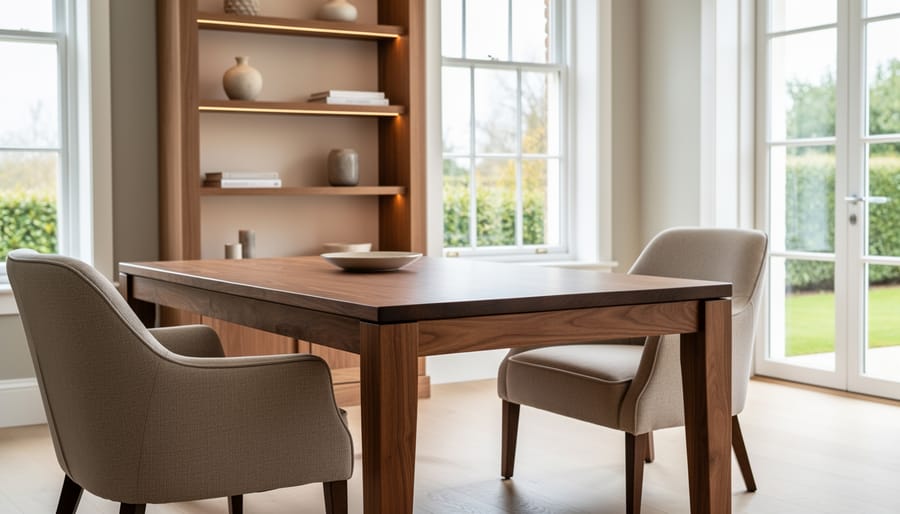
This approach required a fundamental shift in thinking. Traditional bespoke makers often reinvent solutions for each project, which builds expertise but creates inefficiency. Liam developed a library of proven designs and construction methods that could be adapted rather than created from scratch. A dining table might use the same mortise-and-tenon joint perfection developed for palace work, but the design itself followed tested proportions rather than requiring endless client consultations.
The accessibility piece extended beyond price. Liam’s furniture needed to work in actual homes, not just grand estates. Dimensions suited modern living spaces. Finishes could withstand family use, not just admiration from a distance. This practical consideration distinguished his commercial work from mere cost-cutting.
The ‘Ford’ comparison goes only so far. Ford’s factories eliminated skilled labor. Liam’s workshop elevated it by removing the inefficiencies that made traditional furniture prohibitively expensive. Every mortise was still cut with precision. Every surface still received proper attention. The difference was that techniques proven across hundreds of pieces replaced the trial-and-error approach that inflates bespoke pricing.
This philosophy created a sustainable middle ground between mass-produced flatpack furniture and unaffordable custom commissions. Quality craftsmanship became viable as a business, not just an artistic pursuit.
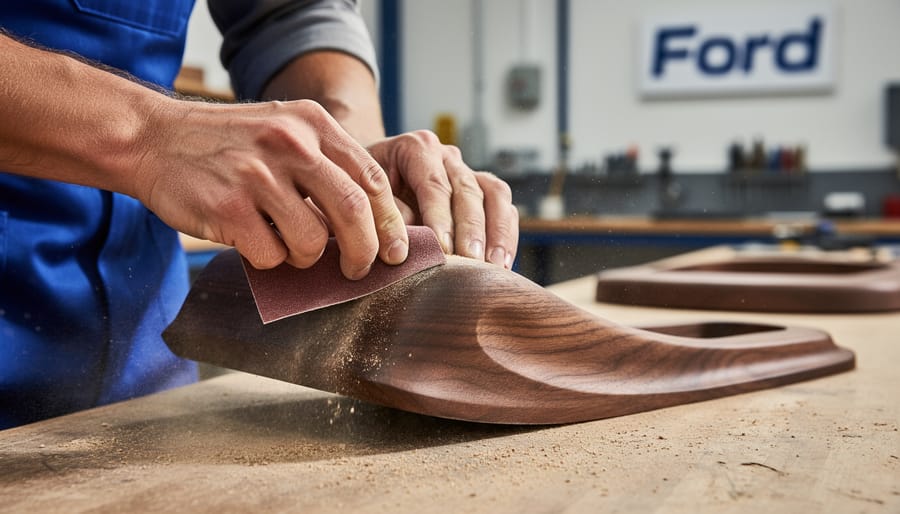
From Kensington Palace to Commercial Production
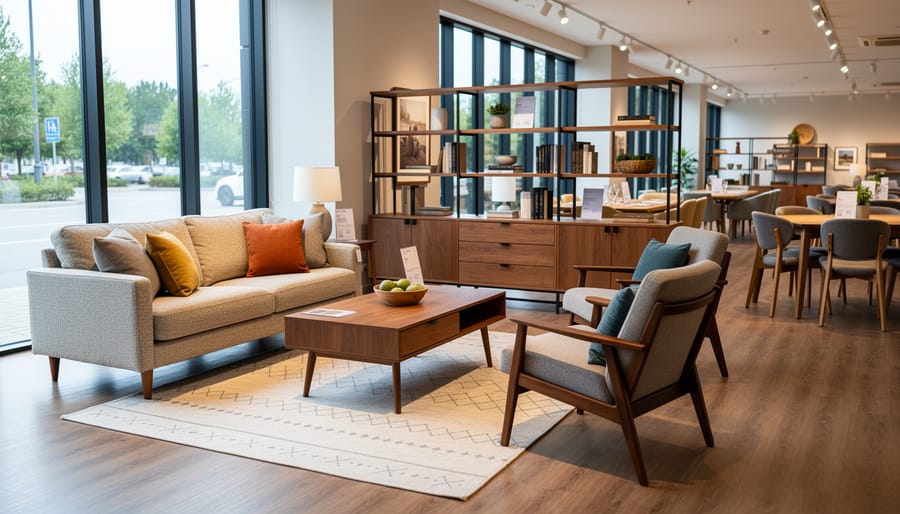
The Turning Point: Recognizing Market Opportunity
Liam’s pivotal moment came not in a boardroom, but in his workshop after completing yet another bespoke commission that had taken months to deliver. While the piece was exquisite, he recognized a troubling pattern: his income remained unpredictable, and he was turning away potential clients who couldn’t afford his prices or wait times.
The breakthrough arrived when several clients independently asked if he could create simpler versions of his signature designs. They admired his work but needed furniture that fit tighter budgets and faster timelines. Rather than viewing this as a compromise, Liam saw an untapped market segment: people who valued craftsmanship but couldn’t access traditional bespoke furniture.
He spent weeks analyzing his most popular commissions, identifying which design elements resonated most strongly and which could be streamlined without losing character. The data was clear, there was substantial demand for furniture that sat between mass-produced pieces and fully custom work.
The decision to pivot wasn’t immediate. Liam consulted with other makers, studied production workflows, and calculated whether he could maintain quality standards at scale. When he committed to the transition, he did so with a specific target: furniture that embodied 80% of his bespoke quality at 40% of the price, achievable through refined processes and selective simplification.
Balancing Bespoke Quality with Production Efficiency
Liam’s breakthrough came from redesigning his workflow rather than cutting corners. He developed a modular approach to furniture construction, creating standardized components that could be combined in various configurations while retaining handcrafted details. Door panels, drawer fronts, and joinery elements were produced in small batches using jigs and templates he refined over months of testing.
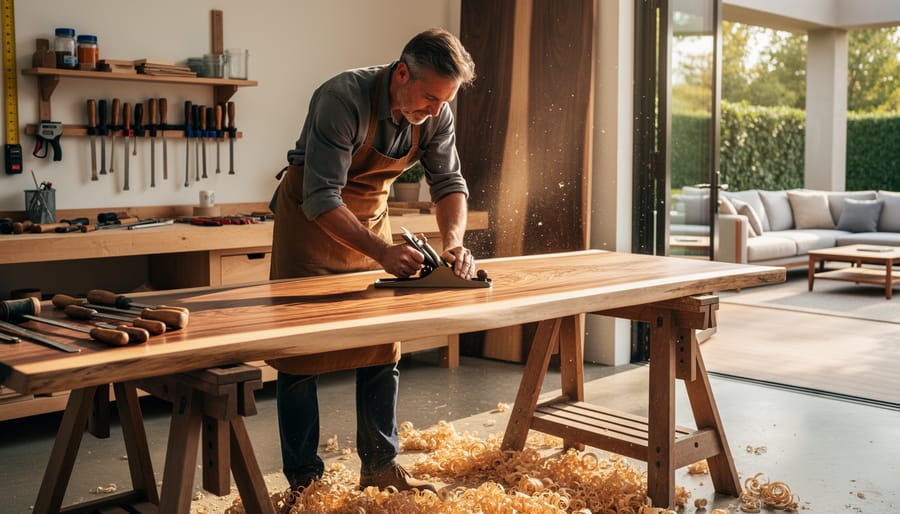
The real innovation was knowing where to invest time. Liam identified three quality touchpoints customers actually notice: joinery precision, finish quality, and hardware installation. He maintained his exacting standards in these areas while streamlining steps that added production time without visible benefit. Hand-planing show surfaces remained non-negotiable, but he switched to machine preparation for hidden components.
His workshop reorganization proved equally critical. Tools and materials were positioned to minimize movement between stations. He batch-processed similar operations across multiple pieces rather than completing one unit at a time. A commission that once took three weeks could now be finished in eight days without sacrificing structural integrity or aesthetic appeal.
This wasn’t mass production. Liam still hand-selected timber, cut mortise-and-tenon joints by hand, and applied finishes in thin, carefully rubbed coats. The difference was intentional efficiency. Every motion had purpose, every process had been tested, and the result was furniture that maintained bespoke quality at a pace that made commercial sense.
Commercial Success Through Education
When Liam O’Connor made the decision to share his furniture-making expertise through structured courses, he didn’t realize he was building the foundation for his most sustainable revenue stream. What began as occasional workshop requests evolved into comprehensive educational programs that fundamentally altered his business trajectory and market position.
The educational component started modestly, a weekend workshop here, a demonstration there, but Liam quickly noticed something unexpected. Students who learned his methods didn’t just gain skills; they became advocates for his approach to furniture making. They returned to their own workshops and communities discussing his techniques, his design philosophy, and most importantly, his commercial furniture lines. Each course participant effectively extended his marketing reach far beyond what traditional advertising could achieve.
By 2023, Liam had formalized his educational offerings into structured programs that attracted aspiring furniture makers from across the UK and internationally. These weren’t cursory introductions to woodworking; they were intensive experiences that covered everything from joinery fundamentals to the business strategies he’d developed during his own transition to commercial work. Students received the same quality instruction whether they enrolled in his foundational courses or his advanced masterclasses.
The commercial impact proved substantial. Workshop participants became his most qualified leads, people who understood the craftsmanship behind his furniture and valued it accordingly. Many graduates went on to purchase pieces from his commercial lines or commissioned bespoke work, having witnessed firsthand the skill and attention to detail he brought to every project. Others became referral sources, recommending his furniture to clients and colleagues.
Perhaps more significantly, the educational programs positioned Liam as an industry thought leader rather than simply another furniture maker competing for commissions. His growing reputation as an educator opened doors to collaborations, speaking opportunities, and media coverage that would have been difficult to secure through furniture sales alone. By 2026, his courses consistently sold out months in advance, creating a waiting list that itself became a marker of prestige and desirability.
The Business Model Behind the Success

Three Revenue Streams That Changed Everything
Liam’s breakthrough came when he stopped relying solely on high-end commissions and built three complementary income sources that worked together to create financial stability and growth.
The bespoke commissions remained his foundation, prestigious projects like the Kensington Palace table that showcased his mastery and commanded premium prices. These one-off pieces required intensive time and client management, but they generated significant revenue per project and reinforced his reputation. He reserved these for select clients willing to invest in truly custom work.
Production furniture became his second stream. Rather than creating entirely unique pieces each time, Liam developed a refined collection of designs that could be reproduced with consistent quality. Think limited-edition runs of signature tables, cabinets, and chairs that maintained his craftsmanship standards but eliminated the design phase for each order. This approach allowed him to serve more customers at accessible price points while maintaining healthy margins through efficient processes.
| Revenue Stream | Time Investment | Profit Margin | Scalability |
|---|---|---|---|
| Bespoke Commissions | Very High | 40-60% | Low |
| Production Furniture | Medium | 30-45% | Medium-High |
| Educational Programs | Low (after setup) | 60-80% | Very High |
Educational programs proved to be his most transformative decision. By packaging his knowledge into structured courses, Liam created a revenue source with minimal marginal cost once developed. A single course could serve hundreds of students simultaneously, and teaching reinforced his authority while building a community of makers who became advocates for his work. This stream required upfront investment but delivered recurring income that didn’t depend on his workshop hours.
Together, these three streams created resilience. When custom work slowed, production and education continued. When he needed workshop time for a major commission, courses ran independently. The diversification transformed his business from feast-or-famine to sustainable growth.
Building a Brand Beyond Individual Projects
Liam’s transition from project-based work to brand-building required a fundamental shift in thinking. Rather than letting each commission stand alone, he developed a consistent visual language across his work, recognizable joinery details, signature proportions, and a distinctive approach to material selection that clients could identify immediately.
He documented his process extensively through photography and video, sharing the story behind techniques rather than just finished pieces. This transparency built trust and positioned him as an educator, not merely a maker competing on product alone.
The brand extended beyond furniture into a recognizable philosophy: accessible craftsmanship without compromise. Liam standardized his communication style, from workshop descriptions to customer interactions, ensuring every touchpoint reinforced this core message.
Most critically, he stopped presenting himself as a tradesperson taking orders and started positioning as a craftsman with a distinct point of view. Clients weren’t just buying a table, they were investing in Liam’s approach to furniture making, his standards, and the community he’d built around quality work at accessible prices.
Lessons for Aspiring Furniture Makers
Liam’s transformation from craftsman to commercial success wasn’t luck, it was a series of deliberate decisions any furniture maker can learn from. The path he forged offers a blueprint that’s especially relevant now, when quality handmade furniture commands premium prices but makers struggle to scale beyond one-off projects.
The first lesson is radical honesty about what you do best. Liam didn’t try to be everything to everyone. He identified his signature style, clean lines, impeccable joinery, timeless design, and built everything around that core competency. In 2026, when customers can buy disposable furniture anywhere, your distinct voice becomes your greatest asset. Know it, own it, and let it guide every business decision.
Start small, test often, and listen to what actually sells. Liam didn’t leap straight into production furniture. He tested designs through bespoke commissions, refined them based on customer feedback, then selected pieces with broad appeal for commercial development. This approach minimizes risk while building proof that your designs resonate.
For those ready to make the shift, Liam’s journey suggests this sequence:
- Master your craft through diverse bespoke projects, build your skill foundation first.
- Identify which designs generate consistent interest and could be streamlined for efficiency.
- Develop systems for repeatable quality, jigs, templates, and documented processes.
- Build a teaching or content strategy to establish authority and attract customers.
- Create multiple income streams rather than depending solely on commissions or production.
- Invest profits back into better tools and workspace efficiency, not just expanding too quickly.
The teaching component deserves special emphasis. Liam’s courses didn’t just generate revenue; they created a community of advocates who understood his approach and valued his expertise. Sharing knowledge positions you as an authority, builds trust, and often reveals new business opportunities you hadn’t considered.
Perhaps most importantly, maintain your standards even when scaling up. The makers who succeed commercially in 2026 aren’t those who compromise quality for volume, they’re those who figure out how to deliver excellence more efficiently. Liam proved that Ford’s accessibility doesn’t require Ford’s assembly line if you’re strategic about what you produce and how you position it.
The ‘Phil O’Connor Ford’ concept, though born from a search query misunderstanding, captures something essential about Liam O’Connor’s achievement. He’s proven that quality furniture making doesn’t have to choose between artistic integrity and commercial success. Like Ford’s revolution in automobiles, Liam democratized access to exceptional craftsmanship without diluting the skill involved.
His journey from Kensington Palace commissions to a thriving commercial operation shows there’s a viable path for dedicated makers who are willing to think beyond the next bespoke project. The combination of production efficiency, educational authority, and strategic business thinking created a sustainable model that works in 2026’s competitive market.
For aspiring furniture makers, Liam’s story offers more than inspiration, it provides a tested blueprint. Whether you’re struggling with pricing, wondering how to scale beyond commissions, or seeking to establish your own authority, his approach demonstrates that traditional craftsmanship can support a modern career. The key lies not in compromising standards but in rethinking how those standards reach your audience.